If your gums have pulled away from the teeth as a consequence of advanced gum disease, your dentist may recommend gum tissue grafting. This procedure involves applying new tissue to areas where gum recession has occurred, which is essential for getting your oral health back on track. It’s important to note that there’s more than one kind of gum tissue graft; below is a closer look at the 3 main types.
1. Connective Tissue Graft
During a connective tissue graft, a small flap is created in the roof of the mouth. Then, a small amount of the tissue under the flap (specifically known as subepithelial connective tissue) is taken out. Said tissue is subsequently transplanted to the parts of your smile where the gums have receded. Once the procedure is complete, the flap is sutured closed.
Connective tissue grafting is the most common form of gum tissue grafting. It is often recommended in situations where gum recession has left the tooth roots exposed. Covering the roots with new tissue helps reduce tooth sensitivity and can reduce your risk of suffering from tooth decay.
2. Free Gingival Graft
A free gingival graft shares some similarities with a connective-tissue graft. However, during this particular treatment, no flap is created; instead, the necessary tissue is taken directly from the roof of the mouth.
Compared to connective tissue grafts, free gingival grafts use less tissue and are better suited for making smaller changes. They can be a viable solution for patients with unusually thin gums.
3. Pedicle Grafts
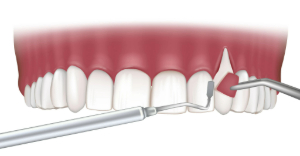
A pedicle graft takes advantage of the gum tissue that you already have. A small flap is made in the gums near the area affected by recession. The flap is carefully pulled over and repositioned to ensure that the tooth roots are adequately covered. Then sutures are used to secure the tissue in place.
To qualify for a pedicle graft, you need to have a sufficient amount of gum tissue near the intended treatment area. Note that compared to other forms of gum tissue grafting, pedicle grafts usually require less time to heal.
Which Type of Gum Tissue Graft is Right for You?
Each form of gum tissue grafting has its own advantages and disadvantages to consider. The only way to determine which one is truly the right choice for your smile is to schedule a consultation with a periodontist. Based on your specific needs, they can point you toward the treatment that’s best suited for restoring your gum health.
About the Practice
At Prime Periodontics & Implants, our experienced board-certified periodontists are dedicated to helping patients enjoy healthier smiles. We can help individuals with gum recession get their oral health back on track with multiple forms of gum grafting, including connective tissue grafts, free gingival grafts, and pedicle grafts. If you believe you’re experiencing gum recession, you can schedule an appointment at our practice in McKinney by visiting our website or calling (469) 527-9336.